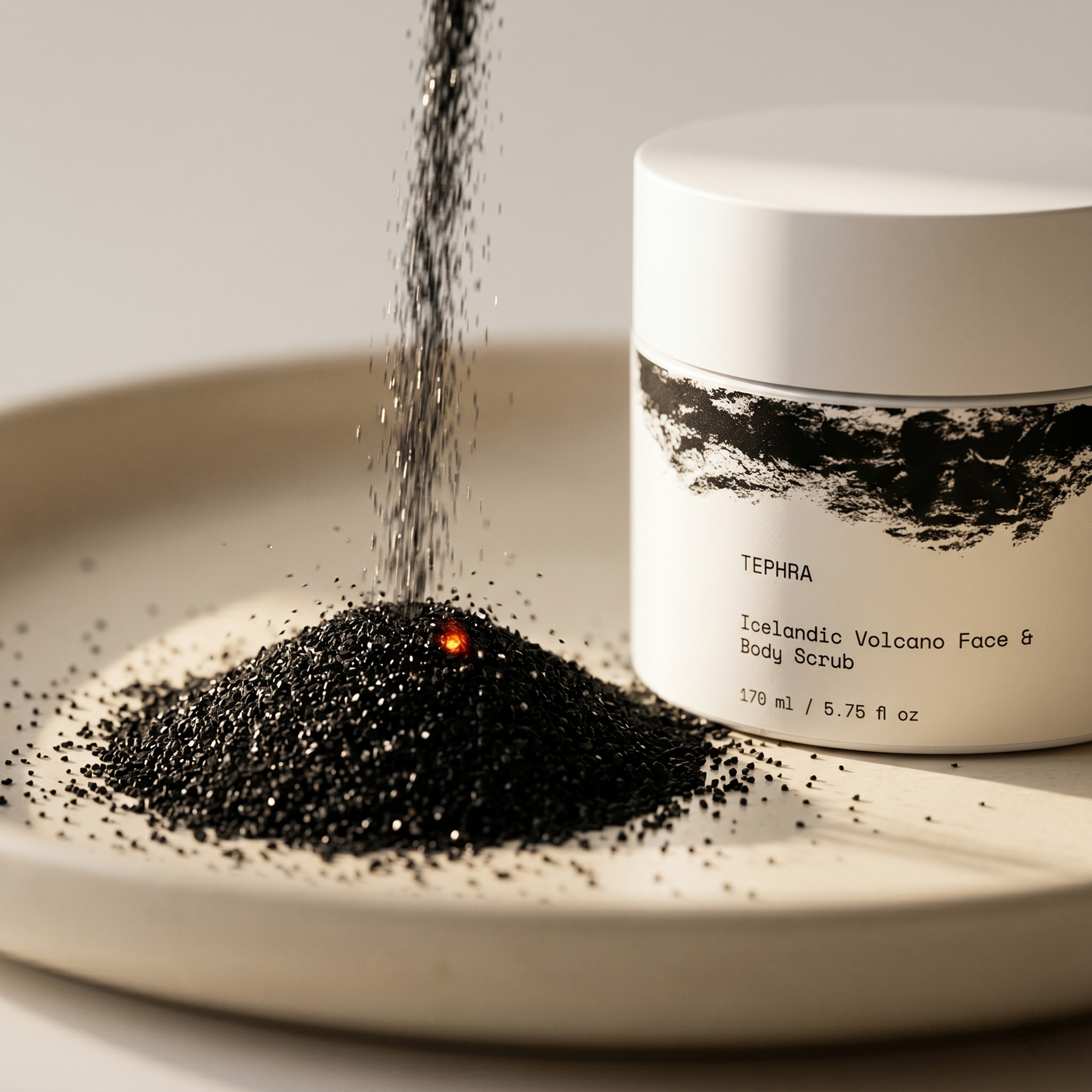
The honest answer to how often you should exfoliate is: less than you probably think, and a lot less than the internet suggests. Here is how to find a rhythm that suits your skin, and how to tell when you have gone too far.
Why more is not better
Exfoliating clears dead cells from the surface of your skin. That layer is not waste. It is part of your skin's barrier, the thing that keeps water in and irritants out. Those dead cells shed and replace themselves on their own, roughly every month in younger skin. Exfoliating just nudges the process along.
The trouble starts when you nudge too hard. Scrub too often, press too firmly, or stack several acids together, and you remove that barrier faster than it can rebuild. The skin underneath is left exposed. It reacts to things it used to tolerate, loses water, and looks worse rather than better. People often answer that rough, tight feeling by exfoliating more, on the logic that it means more clearing is needed. It is the opposite.
A sensible starting point
For most skin types, two to three times a week is plenty. That keeps the surface clear without picking a fight with your barrier.
If your skin runs sensitive, start at once a week and see how it feels before doing more. If it is oilier and tougher, you may be comfortable at the top of that range. There is no single correct number. Skin varies, the seasons change it, and a gentle creamy scrub and a strong acid peel are not the same job. Start low and let your skin tell you, rather than starting high and retreating after the damage is done.
The body usually takes more than the face. Skin on elbows, knees and the backs of the arms is thicker, so it tolerates more frequent scrubbing than the skin on your cheeks.
The signs you have overdone it
Over-exfoliated skin is easy to spot once you know the signs: a tight, dry feeling after washing, redness or a warm flush, stinging from products that never used to sting, and an odd tight shine. Some people break out, because a stressed barrier struggles to stay balanced.
If you see those, the fix is not a gentler scrub. It is no scrub at all for a week or two. Drop the exfoliating acids as well, keep things to a plain cleanser and a moisturiser, and let the barrier rebuild. It will. Then start again, less often than before.
Building a rhythm
A simple plan works. Pick two or three days a week, exfoliate on a clean face in the evening, keep the pressure light and the massage short, and follow with your moisturiser. Leave a day between sessions rather than doing two in a row.
The one habit worth keeping every day, exfoliating or not, is sunscreen. Freshly exfoliated skin is a little more exposed to daylight, and exfoliating acids in particular leave skin more sun-sensitive for several days afterwards. A daily SPF covers that, and it is the single most useful thing you can do for how your skin looks over the years.
Exfoliating is a small, useful step, not the centre of a routine. Keep it light, keep it occasional, and let your skin set the pace.
This article is general information about skincare routines, not medical advice. If you have a skin condition or a specific concern, speak to a pharmacist, GP or dermatologist.
See the scrub → A gentle weekly exfoliant, made for two or three times a week.